
Science and Tech
People
with past exposure to antiretroviral drugs thrice as likely to resist them: WHO
·
It is a combination of daily medications
that stop the virus from reproducing.
·
The therapy helps in protecting CD4
cells thus keeping the immune system strong enough to fight off the disease.
·
It, besides reducing the danger of transmission of HIV, conjointly
helps in stopping its progression to AIDS (a spectrum of conditions caused by
infection because of HIV).
·
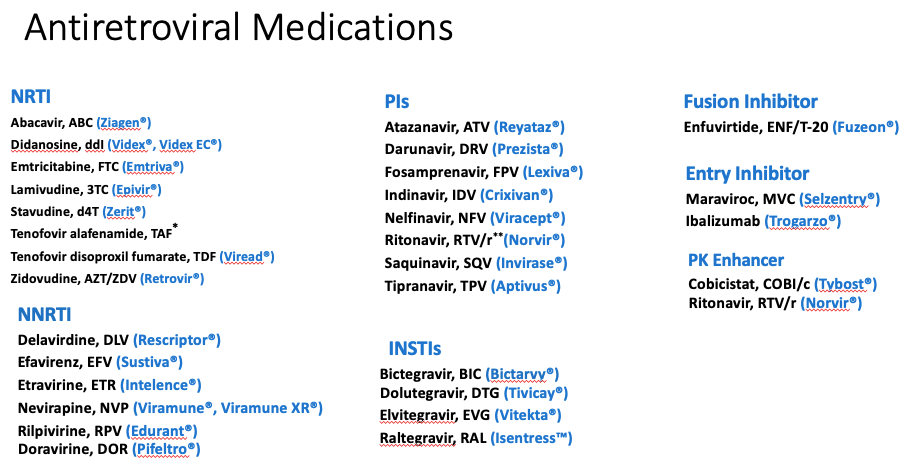
Nevirapine (NVP) or efavirenz (EFV)-based regimens were the foremost
frequent ART regimens initiated in sixteen of twenty countries news survey
findings to WHO (2014- 2020).
·
To know about Human Immunodeficiency
Virus (HIV), please refer August 2021 DPN.
·
HIV Strains and Types HIV-1 and HIV-2
HIV-1 and HIV-2 are two distinct viruses.
·
Worldwide, the predominant virus is
HIV-1. HIV-1 accounts for around 95% of all infections worldwide.
·
HIV-2 is estimated to be more than 55%
genetically distinct from HIV-1.
·
The comparatively uncommon HIV-2 virus
is focused in West Africa however has been seen in alternative countries with
links to West Africa.
·
It is less infectious and progresses a
lot of slowly than HIV-1, resulting in fewer deaths.
·
However, without treatment, most people
living with HIV-2 will eventually progress to AIDS and die from the disease.
·
While many commonly used antiretroviral
drugs are active against HIV-2, nonnucleoside reverse transcriptase inhibitors
(NNRTIs) like nevirapine and efavirenz do not work against it.
·
The best way to treat HIV-2 has been
less clearly outlined than HIV-1. teams among HIV-1 The strains of HIV-1 will
be classified into four teams.
·
Of these, M is the ‘major’ group and is
responsible for the majority of the global HIV epidemic.
·
Within group M there are identified to
be at least 9 genetically distinct subtypes of HIV-1.
·
These are subtypes A, B, C, D, F, G, H,
J and K.
Comments